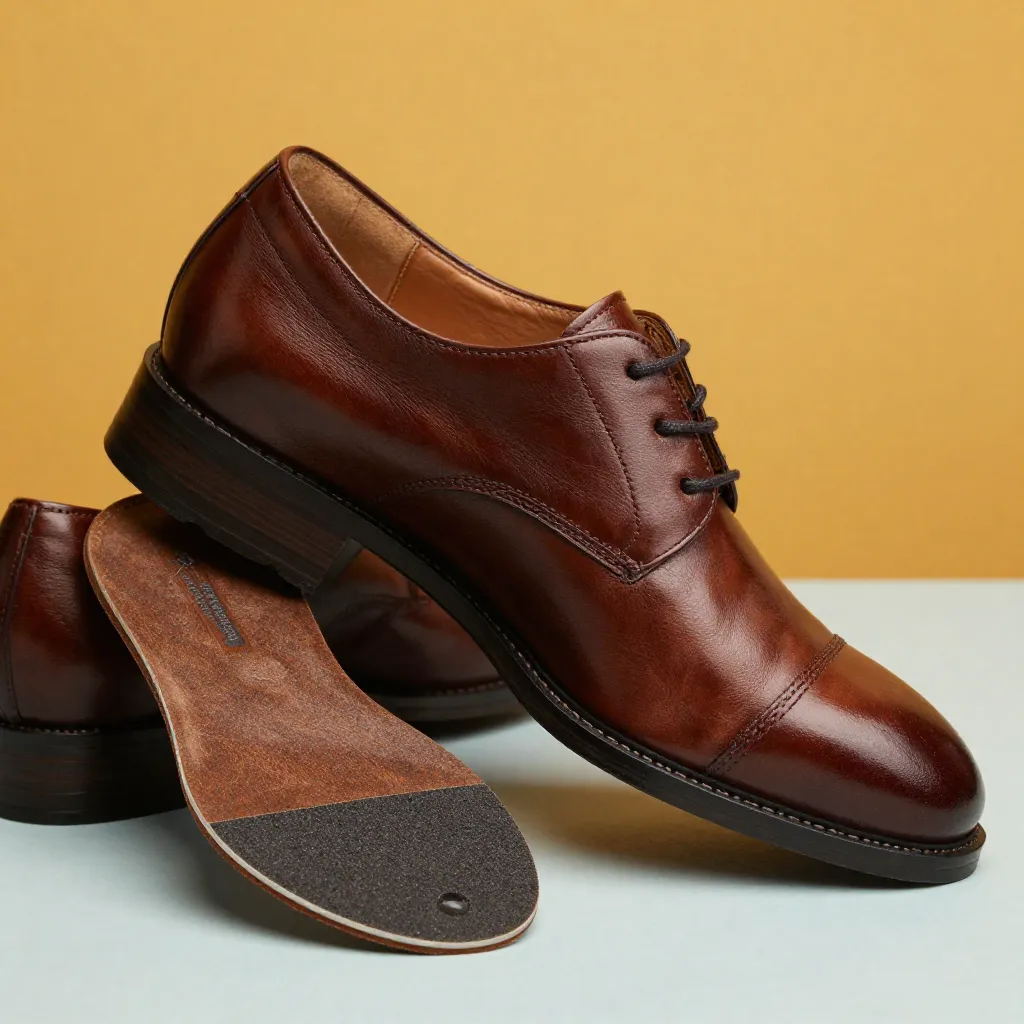
Outer Heel Wear Pattern
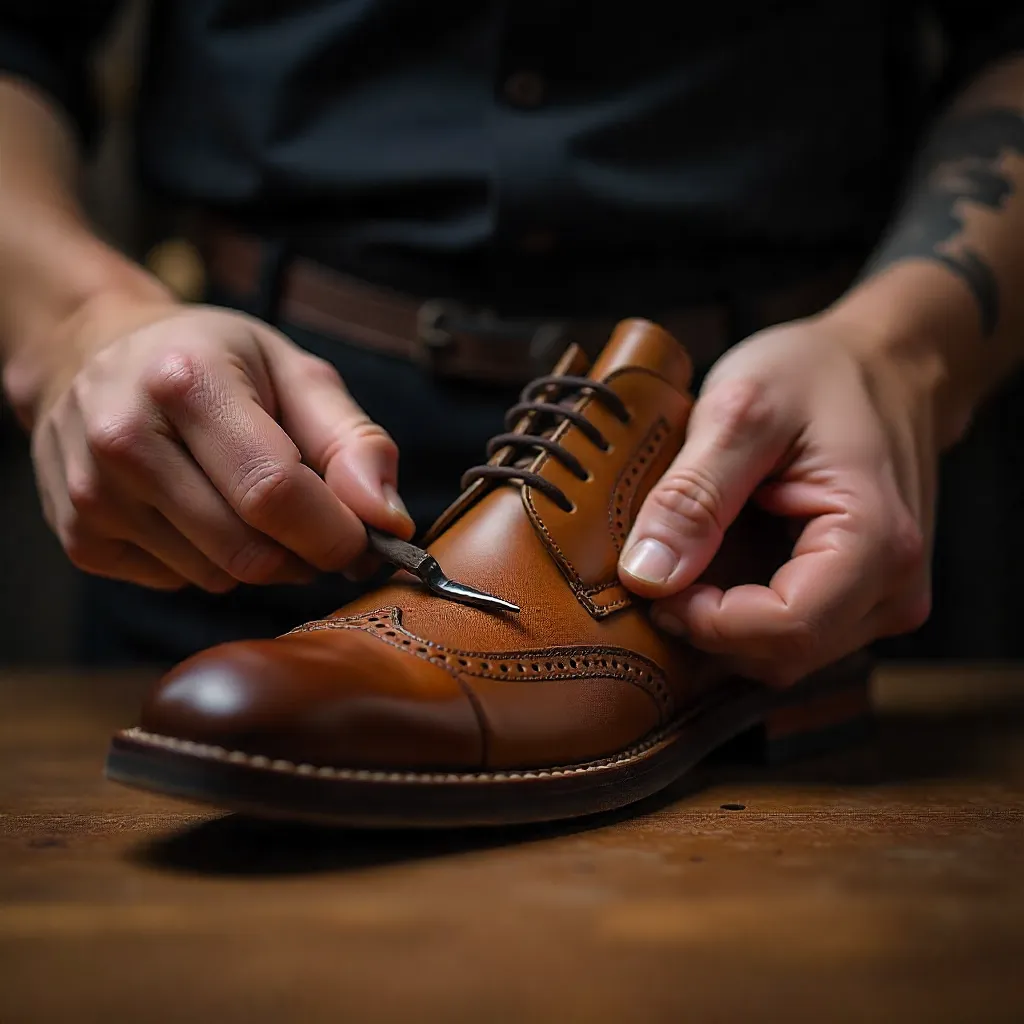
What It Indicates
Wear concentrated on the outer edge of the heel suggests a supination pattern - your foot rolls outward during the heel strike phase. This is common and typically indicates normal gait mechanics.
Correction Guide
When replacing heels with outer wear patterns:
- Balanced Replacement: Install new heel with proper alignment to prevent excessive outer edge wear
- Material Selection: Consider slightly harder rubber compounds for outer heel areas
- Timing: Replace before wear reaches the heel base or upper materials
- Prevention: Regular rotation and proper heel maintenance extends replacement intervals
Impact on Longevity: Timely replacement prevents uneven wear from affecting the entire sole structure, preserving the shoe's balance and extending overall lifespan.
Inner Heel Wear Pattern
What It Indicates
Wear on the inner edge of the heel suggests pronation - your foot rolls inward during heel strike. This pattern can indicate overpronation, which may require attention to prevent accelerated wear.
Correction Guide
For inner heel wear patterns:
- Reinforced Replacement: Use durable materials and proper installation techniques
- Alignment Check: Ensure heel replacement maintains proper foot alignment
- Monitoring: Track wear progression to determine optimal replacement schedule
- Material Choice: Select compounds that resist inner edge abrasion
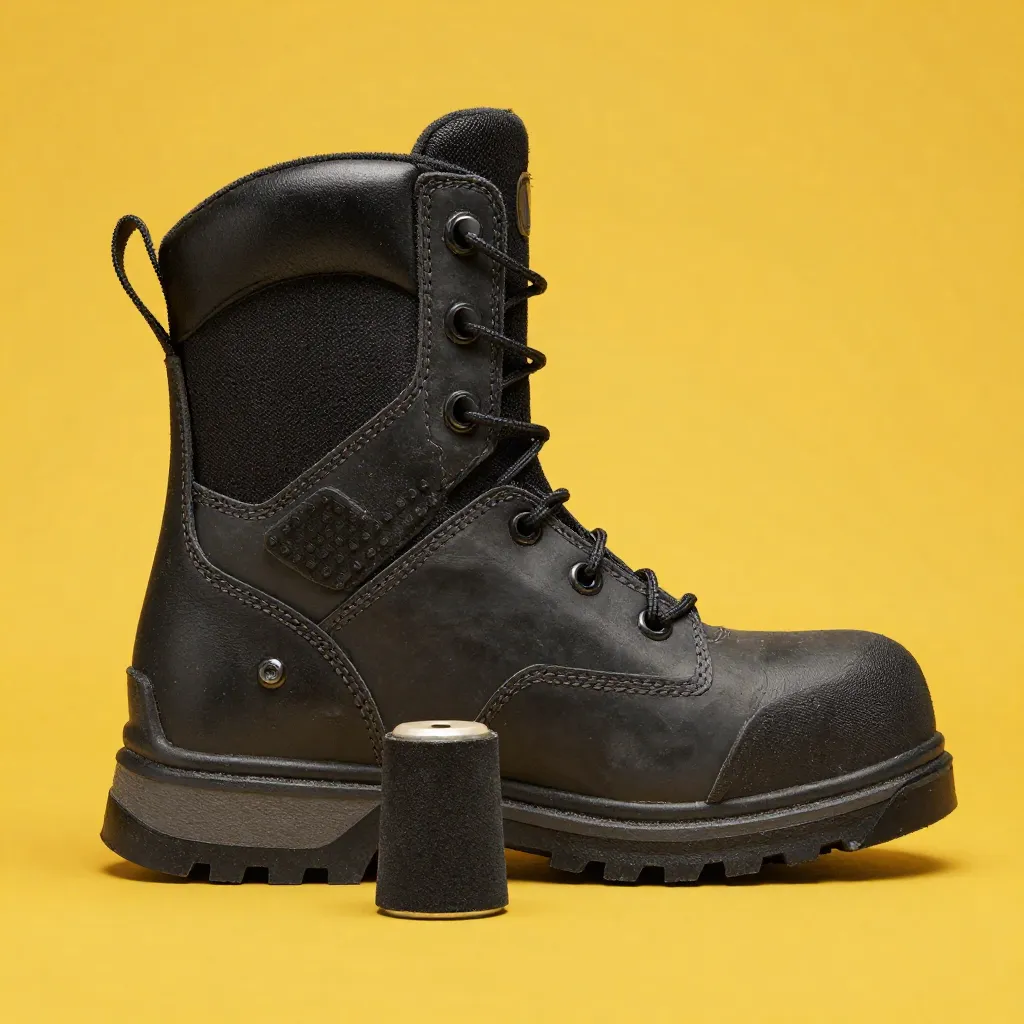
Longevity Benefits
Properly addressing inner heel wear through timely replacement prevents:
- Uneven pressure distribution across the sole
- Premature wear on other sole areas
- Structural stress on the upper materials
- Gait compensation that accelerates overall wear
A balanced heel replacement restores proper weight distribution and extends the shoe's usable life.
Even Wear Pattern
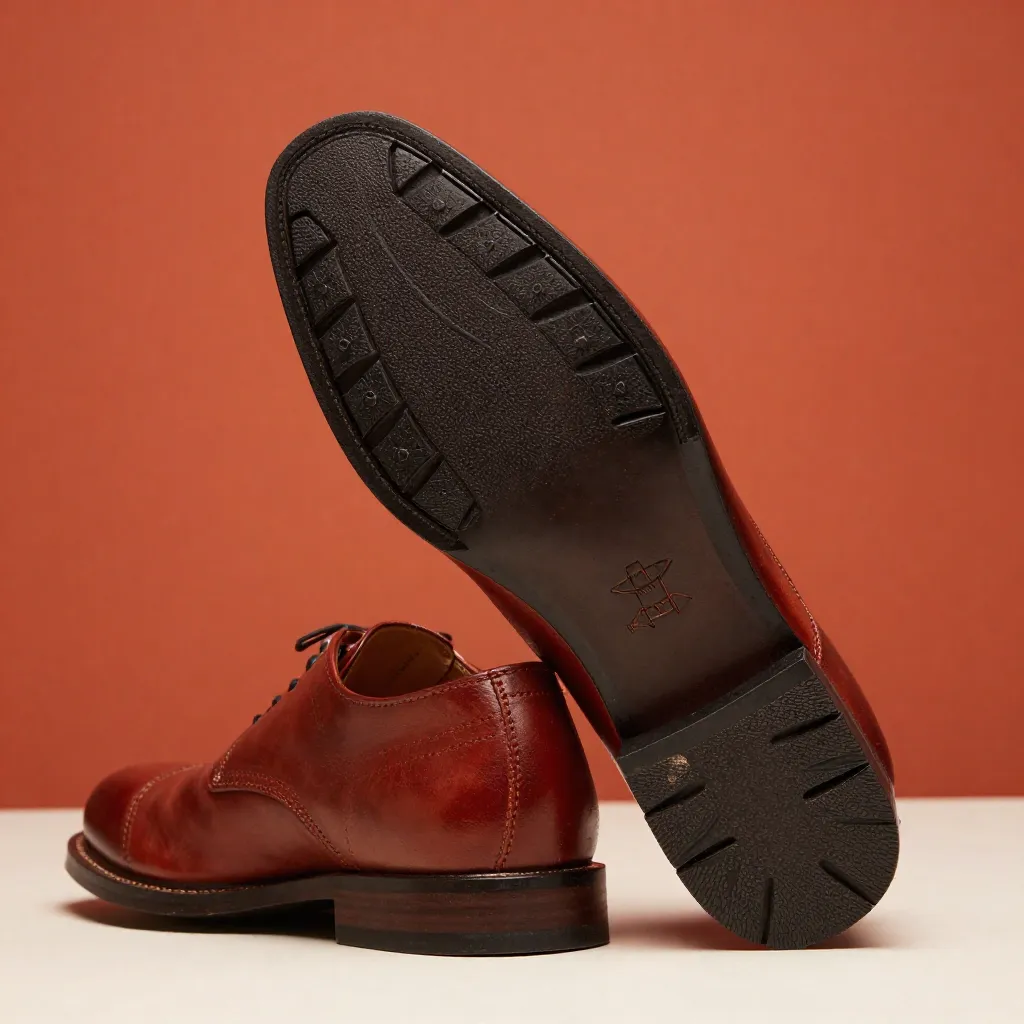
What It Indicates
Uniform wear across the heel surface suggests balanced gait mechanics and proper weight distribution. This pattern indicates optimal walking mechanics and efficient wear distribution.
Maintenance Approach
Even wear patterns allow for:
- Predictable Replacement: Easier to anticipate when replacement is needed
- Standard Materials: No need for specialized compounds or reinforcement
- Extended Intervals: Even wear typically allows longer between replacements
- Consistent Results: Standard replacement techniques work effectively
Best Practice: Maintain this pattern through consistent replacement timing and proper heel installation. Even wear patterns contribute significantly to overall shoe longevity.
Self-Assessment Guide
How to Evaluate Your Heel Wear
- Inspect Regularly: Check heel condition monthly or after heavy use periods
- Measure Wear Depth: Compare worn areas to original heel thickness
- Identify Pattern: Determine whether wear is outer, inner, or even
- Check Progression: Monitor how quickly wear develops
- Assess Timing: Replace when wear approaches 50% of heel thickness or when uneven wear affects gait
When to Seek Professional Assessment
Consult with our experts if you notice:
- Rapid or uneven wear patterns
- Wear affecting upper materials
- Changes in walking comfort
- Uncertainty about replacement timing
- Multiple pairs showing similar patterns
Ready for Assessment?
Bring your shoes in for professional evaluation. We'll analyze wear patterns and recommend the best replacement approach.
Schedule Evaluation