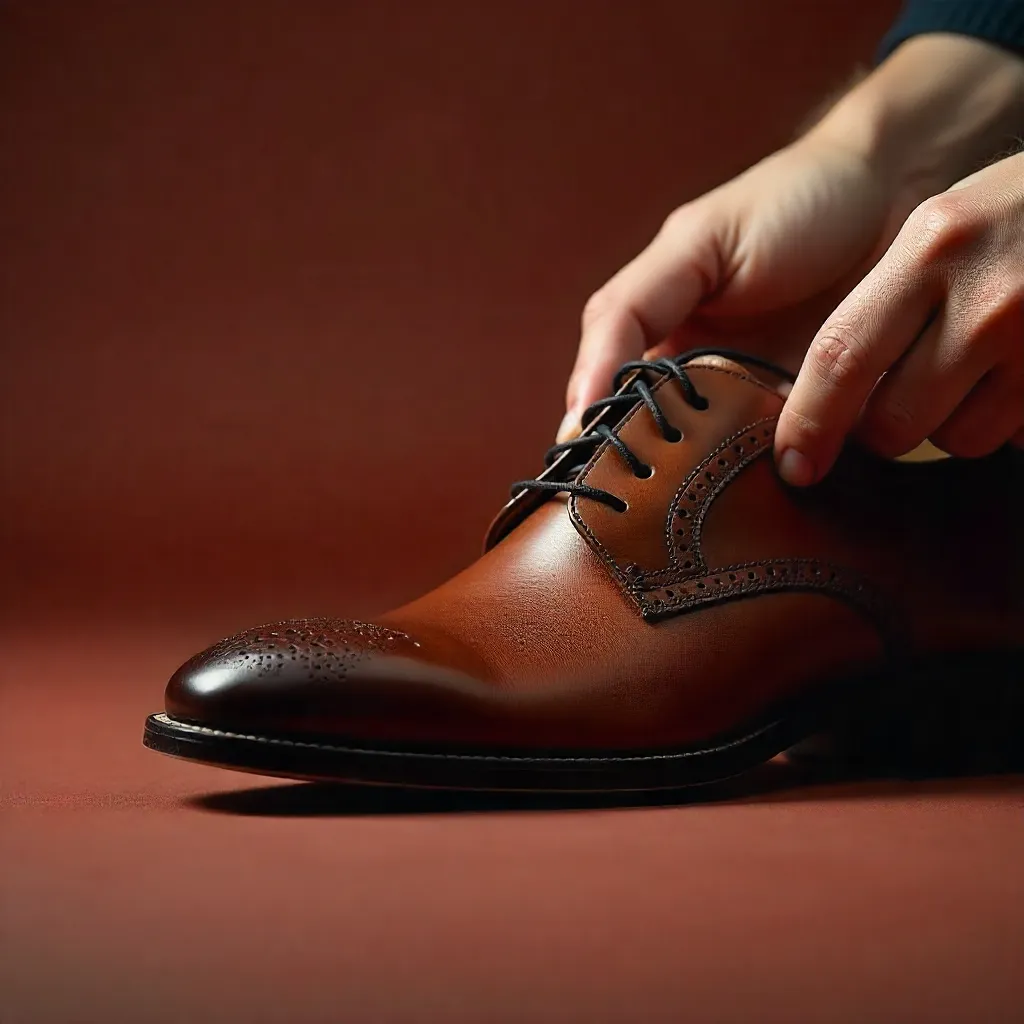
Goodyear Welt Construction
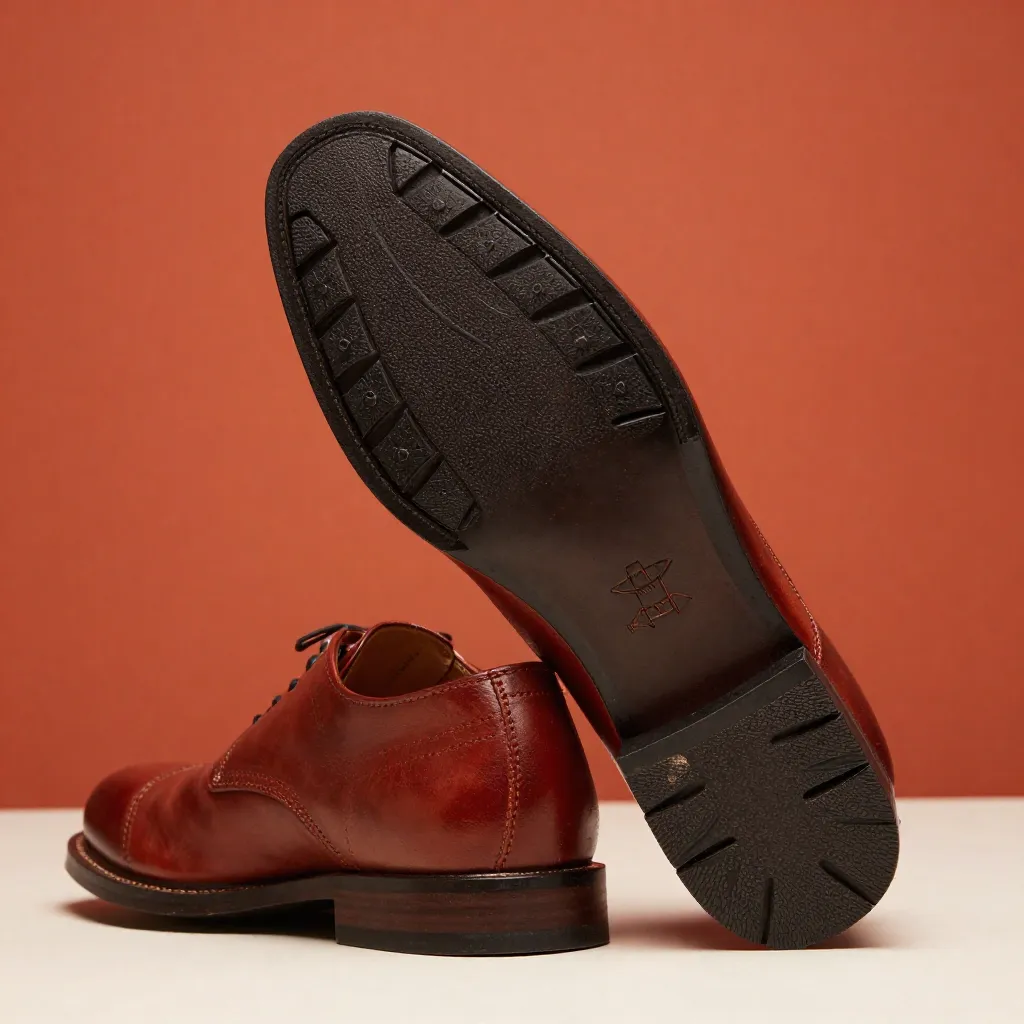
How It Works
The Goodyear welt method creates a separate channel between the upper and sole. A strip of leather (the welt) is stitched to both the upper and an insole, then the outsole is stitched to the welt. This creates a durable, water-resistant barrier and allows for multiple resoles.
Key Advantages
- Resolability: Can be resoled many times without compromising structure
- Durability: Strong construction method withstands heavy use
- Water Resistance: Welt creates barrier against moisture
- Flexibility: Allows for sole replacement while preserving upper
Why It Lasts
The welt acts as a buffer zone. When resoling, only the welt-to-outsole connection is modified, leaving the upper-to-welt connection intact. This preserves the shoe's fundamental structure.
Blake Stitch Construction
How It Works
Blake stitch construction directly attaches the outsole to the upper through an insole. A single row of stitches connects all three layers: upper, insole, and outsole. This creates a sleeker profile but limits resoling options.
Key Characteristics
- Profile: Lower, more streamlined appearance
- Flexibility: More flexible than Goodyear welt
- Resolability: Limited resole potential
- Complexity: Requires specialized equipment for resoling

Resoling Considerations
Blake stitched shoes can be resoled, but the process is more delicate. Each resole requires accessing the original stitch channels, which can weaken over multiple resoles. Typically, Blake stitched shoes may be resoled 2-3 times before structural integrity becomes compromised.
Best Practice: Consult with experienced craftspeople who specialize in Blake stitch resoling to maximize your shoe's lifespan.
Construction Comparison
Goodyear Welt
- Multiple resoles possible
- Thicker profile
- Excellent durability
- Water-resistant construction
- Traditional appearance
Blake Stitch
- Limited resoles (2-3 times)
- Sleeker profile
- Good flexibility
- Requires specialized resoling
- Modern appearance
Understanding Longevity
Why Some Shoes Last Forever
Shoes with Goodyear welt construction can theoretically last decades with proper care and regular resoling. The key is maintaining the upper materials and replacing soles before wear reaches the welt itself.
Regular maintenance includes:
- Cleaning and conditioning leather
- Resoling before excessive wear
- Proper storage and rotation
- Addressing issues promptly
When Resoling Isn't Possible
Some construction methods don't support resoling:
- Cemented Construction: Glued soles cannot be reliably replaced
- Molded Soles: Integrated sole-upper units
- Excessive Wear: When wear reaches the welt or upper
- Structural Damage: Compromised integrity prevents safe resoling
Our assessment process identifies whether resoling is viable for your specific footwear.
Assess Your Footwear
Bring your shoes in for evaluation. We'll determine the construction method and discuss resoling options.
Schedule Assessment